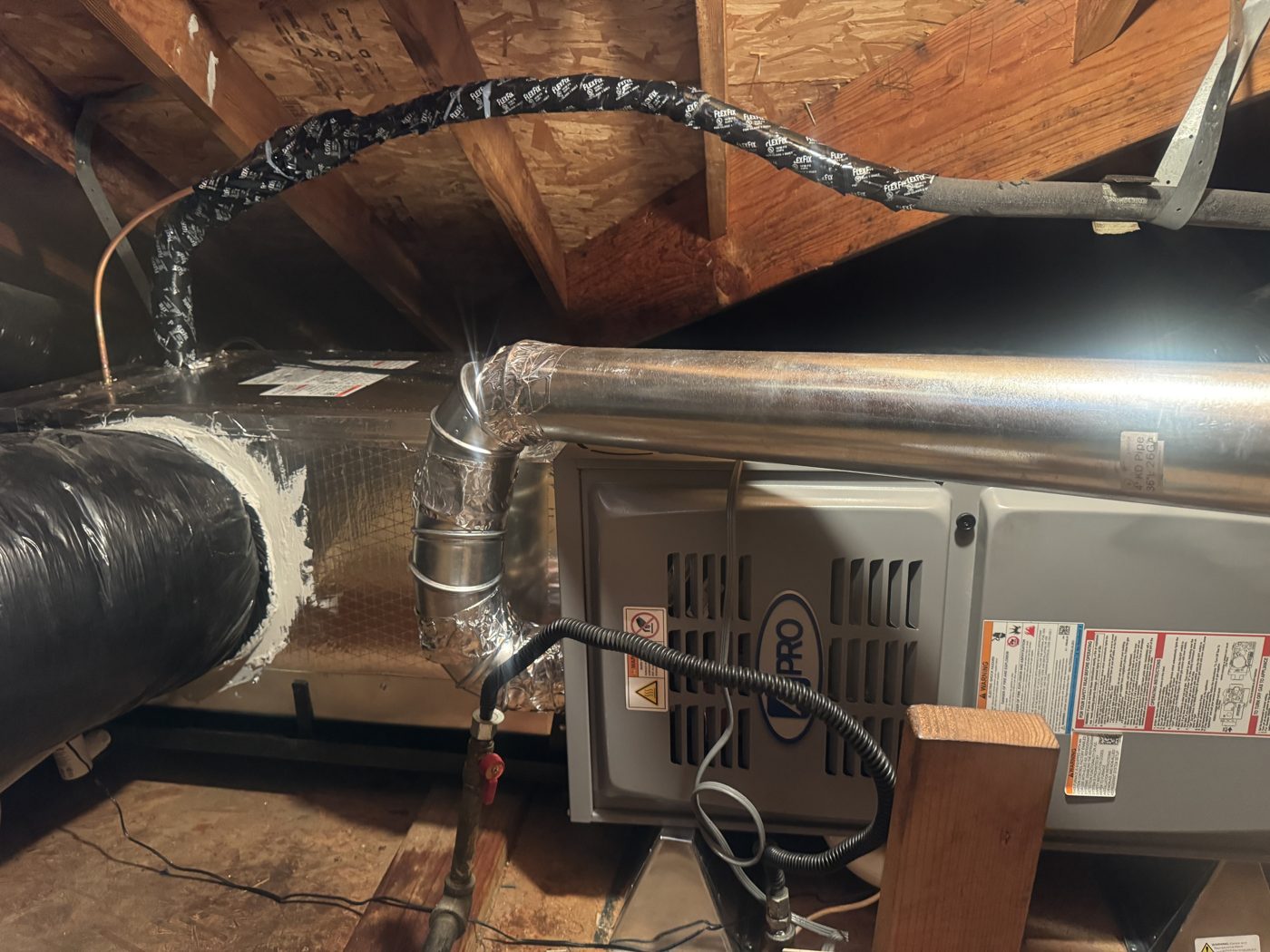
When looking into AC repair in Eastvale, new efficiency ratings like SEER2 can help you pick equipment that handles local heat without wasting power.
What is SEER2?
SEER2 measures cooling output over a season divided by energy used, but with updated testing that factors in real ductwork and static pressure. The result is a lower number than the old SEER for the same equipment. A 15 SEER2 unit roughly matches an older 16-17 SEER model. This rating helps Eastvale homeowners compare systems fairly when replacing or repairing equipment.
How SEER2 Differs from the Old SEER Rating
Older SEER tests used ideal lab conditions with low airflow resistance. SEER2 adds realistic duct losses and higher external pressure, so numbers drop. Manufacturers must now publish both ratings. If your current unit is 13-14 SEER, upgrading to 15-16 SEER2 can cut energy use noticeably. The change took effect in 2023, so any new system installed after that date follows the updated standard.
Why SEER2 Matters in Eastvale's Climate
Eastvale sees long stretches of 95-plus degree days, dry air, and occasional Santa Ana winds that push dust into outdoor coils. These conditions raise cooling loads and make efficiency gains more valuable. Nearby Corona and Ontario share the same heat and dust issues, while Chino homes often have older ductwork that benefits from the stricter SEER2 test. Higher-rated units run longer without short-cycling, keeping indoor humidity stable during peak summer.
Impact on Your Energy Bills
High summer electric bills are common here because air conditioners run many hours daily. Moving from a 13 SEER unit to a 15 SEER2 model can lower cooling costs by roughly 10-15 percent, depending on usage and insulation. The savings add up fastest in homes with older single-pane windows or poor attic insulation. Track your bills for two seasons after an upgrade to see actual results rather than estimates.
Choosing the Right SEER2 System for Your Home
Start by having a technician measure your home's cooling load instead of guessing by square footage. Oversized units short-cycle and waste energy even at high SEER2 ratings. Look for systems with variable-speed compressors if your budget allows; they maintain efficiency across a wide temperature range. For AC repair in Eastvale, ask whether the existing ductwork can support the new static pressure requirements of SEER2 equipment.
Professional Installation and Maintenance
Filter changes and coil cleaning are safe DIY tasks that keep efficiency high. Anything involving refrigerant, electrical connections, or airflow balancing requires a licensed pro. In Eastvale and nearby cities, proper commissioning after installation ensures the unit actually meets its published SEER2 rating. Schedule annual tune-ups before summer to catch issues like low refrigerant or dirty coils early.
If your system is more than 12 years old or repair costs keep rising, compare the long-term savings of a new SEER2 unit against continued repairs. Local conditions like dust and heat accelerate wear, so timely upgrades often pay for themselves through lower bills and fewer breakdowns.