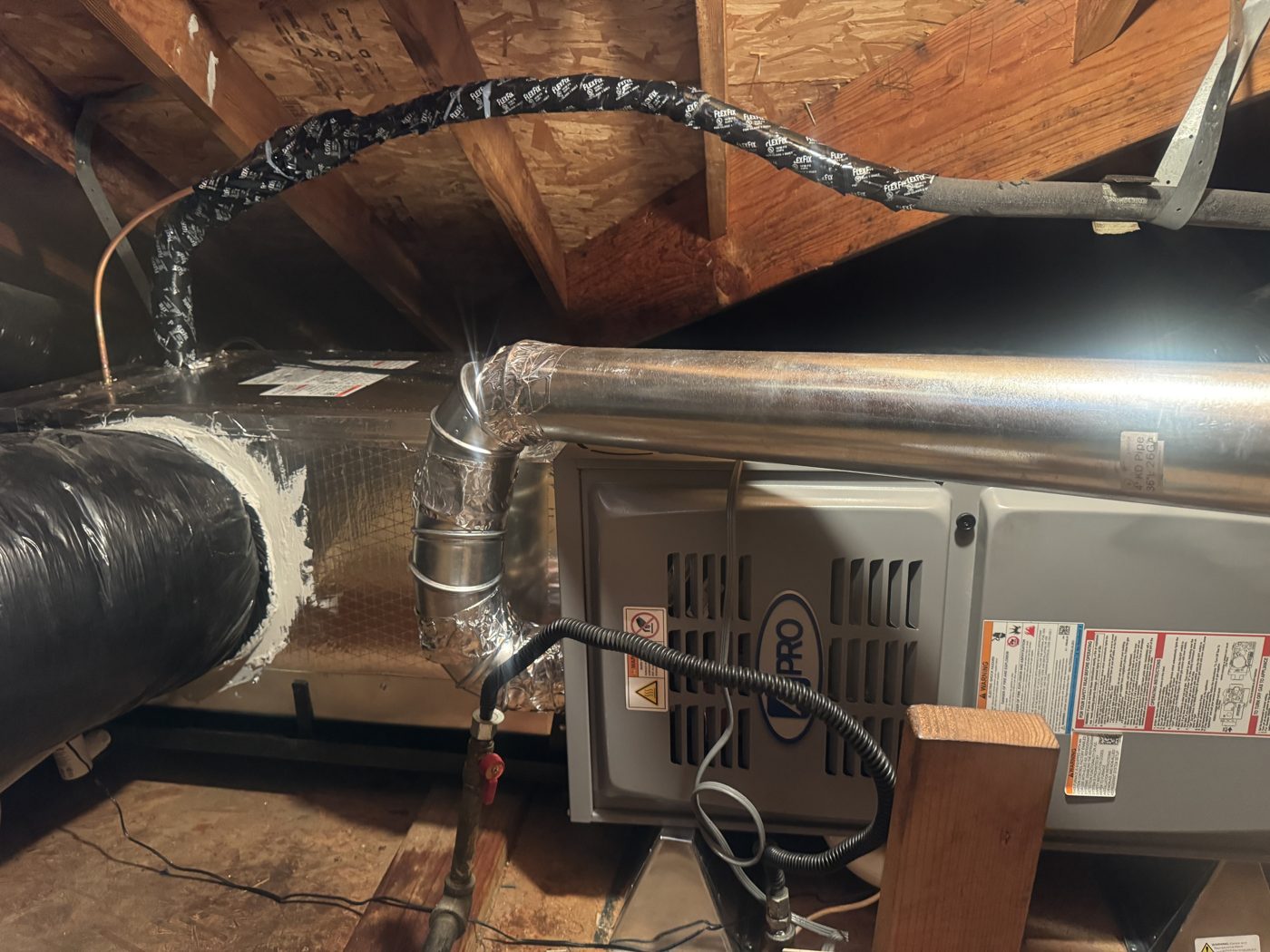
If you need AC repair in Montclair, the shift from R-410A to R-454B refrigerant is something local homeowners should understand now. This change stems from federal regulations aimed at lowering the global warming potential of cooling agents used in air conditioners and heat pumps. R-454B offers about 75 percent less climate impact while performing similarly in the extreme heat common across the Inland Empire.
Why the Refrigerant Switch Is Happening
The EPA has phased down high-GWP refrigerants like R-410A under the AIM Act. Manufacturers must transition new equipment to alternatives such as R-454B starting in 2025. Older systems charged with R-410A remain legal to service, but supplies will tighten over time and prices may rise. In Montclair’s dry summers that push units hard, this matters because leaks become more noticeable when temperatures climb past 100 degrees.
How the Change Affects Local Homes
Most homes in Montclair, Pomona, and Ontario still run R-410A systems installed in the last 15 years. These units can continue operating normally. When a major component fails, however, technicians must decide whether to retrofit or replace the entire system. R-454B requires different oils and slightly different pressure readings, so mixing refrigerants is never safe. Santa Ana winds that carry dust can also accelerate coil wear, making leak detection during AC repair in Montclair a routine part of every visit.
What Homeowners Should Expect During Service
Technicians will check for leaks first using electronic detectors and soap bubbles. If the system is low, they recover remaining refrigerant, repair the leak, and recharge with the original type when possible. For newer equipment designed for R-454B, they use manifold gauges calibrated for the new pressures and follow manufacturer charging charts. Never attempt to top off a system yourself; improper handling can damage the compressor and void warranties.
Practical Steps You Can Take Now
- Schedule annual maintenance before summer to catch small leaks early.
- Replace air filters every 30–60 days during peak heat to reduce strain on the system.
- Keep outdoor coils clean of dust and pollen that blow in from surrounding hills.
- Note any unusual hissing or longer run times and call a pro promptly.
Simple filter changes and coil rinsing are safe DIY tasks, but recovering or adding refrigerant requires EPA certification and specialized tools.
Planning for Future Replacements
When your current unit reaches the end of its life, the new model will likely use R-454B. These systems often include updated safety features because the refrigerant is mildly flammable. Your contractor will verify electrical compatibility and may recommend upgraded thermostats or airflow settings to maintain efficiency in Chino Hills and surrounding areas where electric bills spike in July and August. Older housing stock common in Montclair can also benefit from duct sealing during replacement to reduce energy waste.
Keeping Cool Through Local Weather Challenges
High summer electric bills often trace back to systems working overtime against desert-adjacent heat. Proper refrigerant charge helps the unit reach thermostat set points faster and cycle less. If you notice ice forming on lines or warm air from vents, stop running the system and contact a technician to avoid compressor damage. Regular AC repair in Montclair keeps equipment reliable when Santa Ana winds bring both heat and extra dust.
BOMING Air Conditioning & Heating can walk you through refrigerant options for your specific equipment and explain realistic timelines for any needed changes.