Understanding SoCal Climate and Cooling Demands
If you're dealing with AC repair in Chino Hills, choosing between a heat pump and a traditional air conditioner starts with the local weather. Chino Hills sees hot, dry summers with temperatures often climbing past 95 degrees, plus occasional Santa Ana winds that stir up dust and strain equipment. These conditions push up electric bills quickly for homeowners. Similar patterns affect nearby areas like Pomona and Ontario, where older housing stock can make inefficient systems even costlier to run.
How Traditional AC Systems Operate
A traditional AC pulls heat from inside your home and dumps it outdoors using refrigerant and a compressor. It excels at cooling during long heat waves but provides no heat in winter. In Chino Hills, where winters stay mild, many residents keep their existing AC units running for eight or more months a year. Regular AC repair in Chino Hills often involves cleaning coils clogged by dust or replacing capacitors worn by wind-driven debris. When the system struggles on peak summer days, a pro can check refrigerant levels and airflow before problems worsen.
Heat Pumps as a Year-Round Alternative
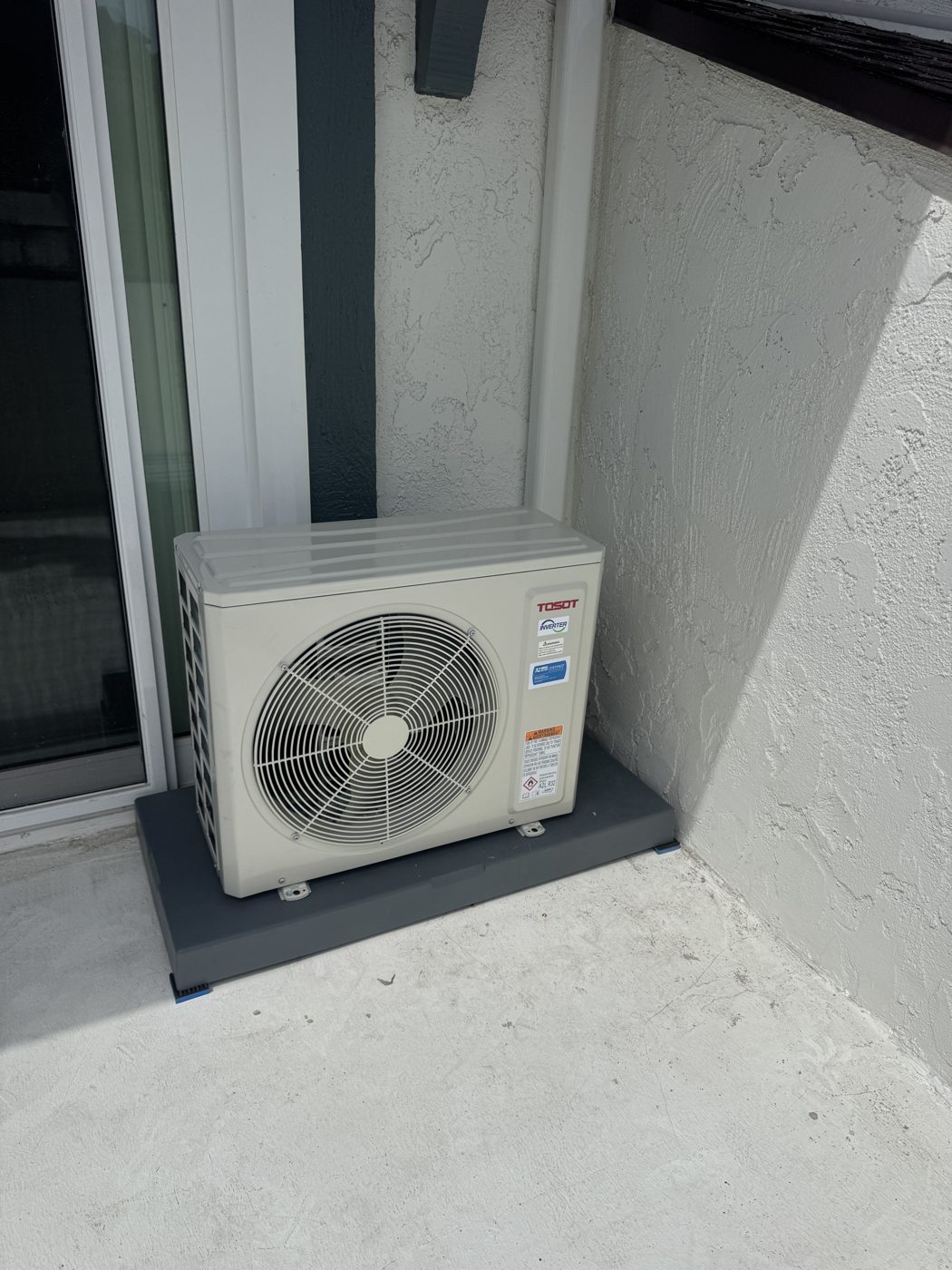
Heat pumps move heat rather than generate it, so they cool efficiently in summer and reverse to provide gentle heat in winter. For Chino Hills homes with moderate winter lows rarely below 40 degrees, a heat pump can handle most heating needs without a separate furnace. They shine in areas with high summer electric rates because modern units reach high SEER ratings. Homeowners in Rancho Cucamonga often switch to heat pumps when replacing aging AC units to cut year-round energy use. However, during extreme Santa Ana wind events that drop humidity sharply, auxiliary heat strips may engage briefly on the coldest nights.
Energy Use and Local Electric Bills
Traditional AC units can draw heavy power during afternoon peaks, especially if ducts leak in older Chino Hills attics. Heat pumps typically use less electricity for the same cooling output because they transfer heat instead of creating cold air from scratch. Local utility rates reward higher-efficiency equipment, so the payback comes through lower monthly bills rather than instant savings. Dust from winds requires both system types to have clean filters; dirty coils force the compressor to work harder regardless of technology.
Practical Steps for Homeowners
Start by noting your current system's age and repair history. Replace filters every 30-60 days and keep outdoor units clear of debris and vegetation. Simple thermostat programming to raise temperatures a few degrees during the day can reduce strain without calling for AC repair in Chino Hills immediately. Leave refrigerant handling, electrical diagnostics, and duct sealing to licensed technicians, since improper work risks equipment damage or safety issues. If your unit is over 12 years old and needs frequent fixes, compare lifetime costs of a new traditional AC versus a heat pump sized for your home's load.
Deciding What Fits Your Property
Traditional AC remains a solid choice when you already have reliable gas heat or prefer separate systems. A heat pump makes sense if you want one piece of equipment for both seasons and live in a well-insulated Chino Hills home. Factors like existing ductwork condition, available outdoor space, and noise tolerance also matter. A qualified contractor can perform a load calculation and review utility data to show realistic operating costs for your address. Contact BOMING Air Conditioning & Heating for an honest assessment tailored to your situation.