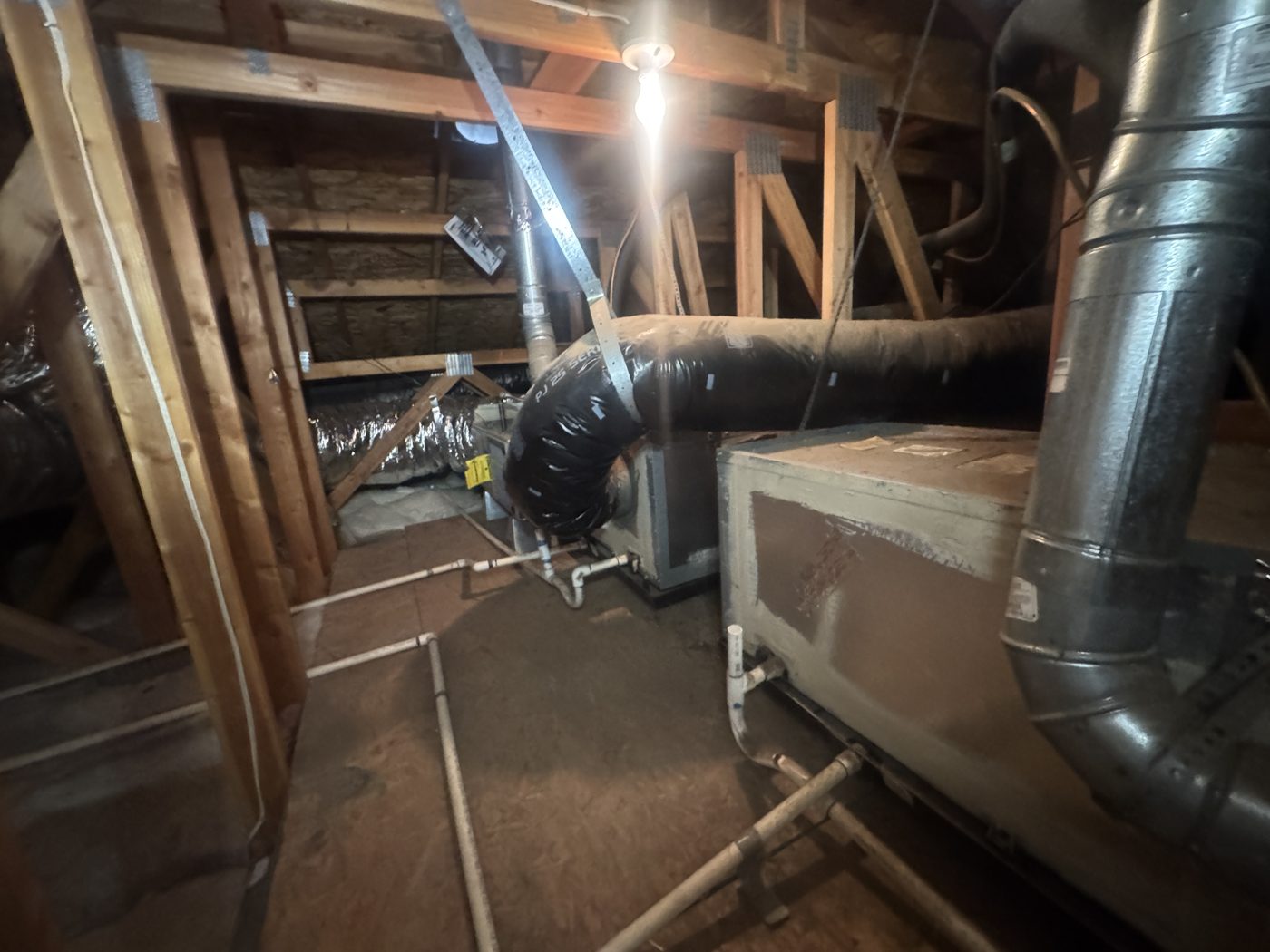
Understanding Your AC Failure in Norco's Climate
When your air conditioner fails during Norco's scorching summers, deciding between AC repair in Norco and full replacement can be tough. The region's hot dry summers, combined with Santa Ana winds that stir up dust, put extra strain on systems. Older housing stock in the area often features units that have battled desert-adjacent heat for years, leading to higher summer electric bills when efficiency drops.
Many Norco residents notice problems first during peak heat waves. Dust infiltration from winds clogs coils and filters faster than in milder climates. This makes early diagnosis key before a small issue turns into no cooling at all.
Common Causes of AC Breakdowns
Refrigerant leaks, failing compressors, and clogged condensate drains top the list locally. Santa Ana winds carry fine dust that settles on outdoor coils, reducing heat transfer and forcing the system to run longer. In homes built before 2000 around Norco, Corona, and Riverside, worn electrical components often fail due to years of constant summer cycling.
Capacitors weaken from heat cycles, while blower motors struggle against accumulated dust. High electric bills usually signal these efficiency losses before a complete breakdown occurs.
When Repair Makes Sense
Repair is often the right call for units under 10 years old with a single clear problem like a bad capacitor or clogged drain line. Homeowners can safely replace air filters monthly and clear debris from the outdoor unit themselves. These steps frequently restore function without a service call.
However, call a pro for refrigerant issues, electrical faults, or compressor problems. AC repair in Norco becomes cost-effective when the fix costs less than 50 percent of a new unit and the system still meets current efficiency standards.
When Replacement Is the Better Choice
Systems older than 12-15 years with repeated failures usually warrant replacement. Rising summer electric bills, uneven cooling across rooms, and use of phased-out refrigerants are strong signals. In Ontario and surrounding areas, newer high-SEER units handle dust and heat better while lowering monthly costs.
Replacement also makes sense if your current system is undersized for your home's insulation or if major ductwork issues exist. A new unit can better manage the extreme temperature swings common in the Inland Empire.
Steps to Decide: DIY Checks and Pro Help
Start by noting the unit's age from the data plate and tracking recent repair costs. Test airflow from vents and listen for unusual noises. Change the filter and observe if performance improves within a day.
If problems persist, schedule a diagnostic visit. A technician can measure refrigerant levels, check electrical draw, and calculate efficiency. This data helps compare repair costs against the long-term savings of a new system. Local factors like dust exposure and Santa Ana wind patterns should factor into the final recommendation.
Local Considerations for Norco Homeowners
Norco's mix of older homes and extreme summer heat means many systems reach the end of reliable life sooner than coastal areas. Residents near Corona and Riverside face similar dust and wind challenges that accelerate wear. Weighing energy savings against upfront costs helps avoid repeated breakdowns during the hottest months.
Always verify that any new equipment is properly sized for your specific property and local conditions.
Contact BOMING Air Conditioning & Heating for an honest assessment of your system before making a final decision.