Understanding AC Installation in Corona
If you're considering AC installation in Corona, the area's hot dry summers, frequent dust, and Santa Ana winds create unique demands on cooling systems. Homes here often face desert-adjacent heat that pushes equipment hard from May through October, leading to higher summer electric bills. Older housing stock in Corona commonly has undersized or aging units that struggle during peak heat. Nearby Riverside and Norco share these same conditions, so many homeowners there follow similar upgrade paths.
Signs Your System Needs Replacement
Uneven cooling, frequent repairs, and units older than 10-12 years are common triggers for replacement in Corona. High humidity spikes during rare coastal moisture events or heavy dust loading from winds can clog coils and reduce efficiency fast. Listen for unusual noises or notice rising energy use even when temperatures stay steady. If your system uses R-22 refrigerant, replacement is often wiser than repeated fixes because parts are scarce.
Choosing the Right Equipment for Local Homes
Focus on SEER2 ratings of 15 or higher to handle Corona's intense afternoon heat without oversized units that short-cycle. Heat pump options work well for milder shoulder seasons and can cut electric bills compared with older gas-pack systems. Consider two-stage or variable-speed compressors that manage dust and wind-driven temperature swings better than single-stage models. Ask about corrosion-resistant coils since Santa Ana winds carry fine particles that accelerate wear.
The Installation Process Step by Step
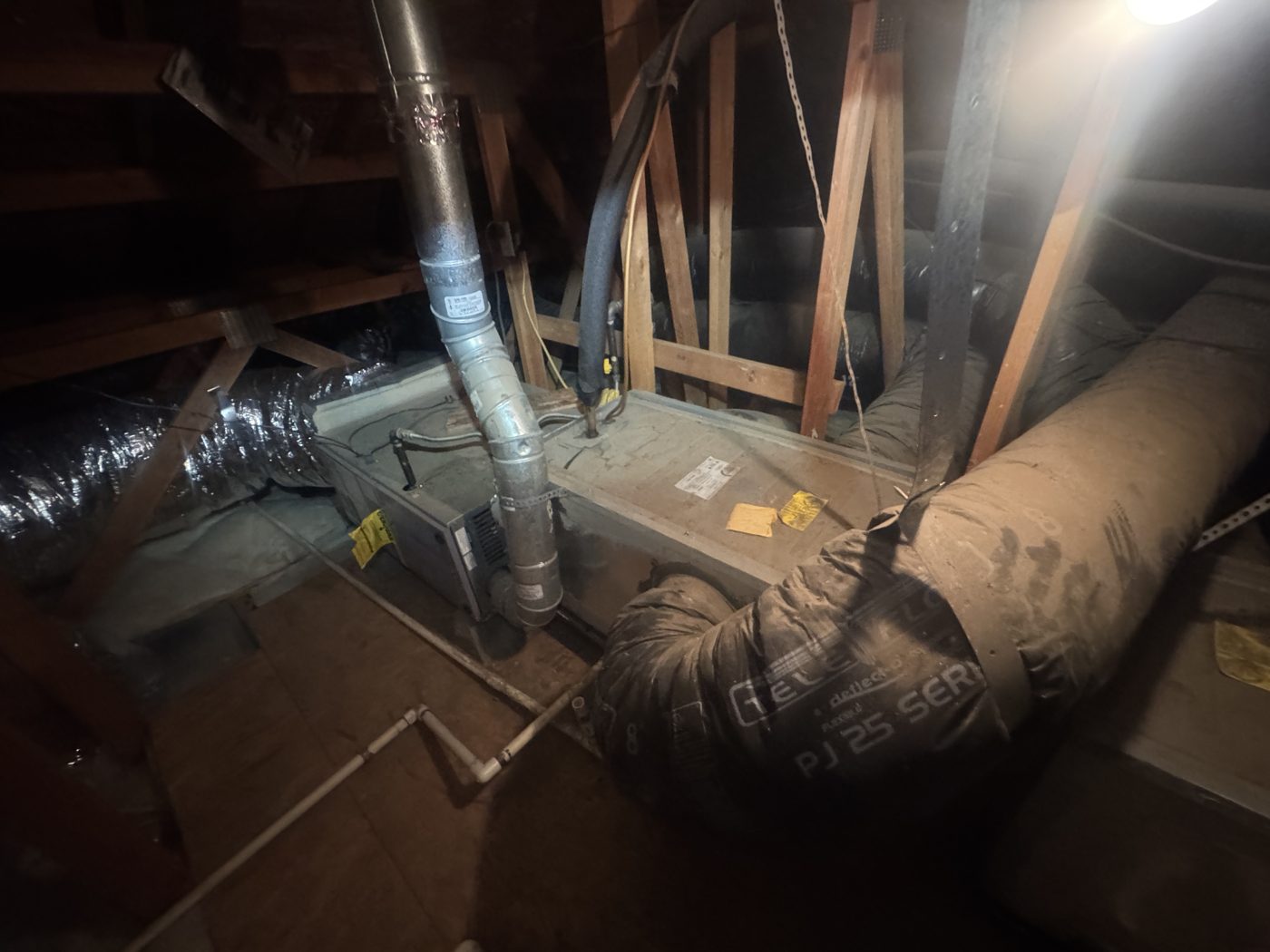
A proper job starts with a load calculation that accounts for your home's insulation, window orientation, and attic conditions common in Corona neighborhoods. Technicians remove the old equipment, check and upgrade electrical and ductwork as needed, then set the new outdoor condenser on a level pad away from prevailing winds. Indoor coil and air handler installation follows, with careful sealing to prevent dust infiltration. Final steps include refrigerant charging, airflow balancing, and thermostat programming tailored to local usage patterns.
DIY Tasks Versus Calling a Pro
Homeowners can safely replace filters monthly, clear debris from the outdoor unit, and program smart thermostats. Anything involving refrigerant lines, electrical connections, or duct modifications requires a licensed technician. Attempting these tasks yourself risks voiding warranties and can create safety issues in older Corona homes with outdated wiring. Professionals also verify permits and ensure the system meets current energy codes.
Keeping Your New System Running Efficiently
Schedule professional tune-ups each spring before the heat arrives. Keep at least two feet of clearance around the condenser and trim nearby vegetation that could add to the dust load. Use a programmable thermostat to avoid running the system during the coolest night hours when Santa Ana winds often drop temperatures quickly. These habits help control summer electric bills while extending equipment life in the region's demanding climate.
When you're ready to explore options for AC installation in Corona, the team at BOMING Air Conditioning & Heating can assess your home and explain realistic choices based on your current setup and usage.