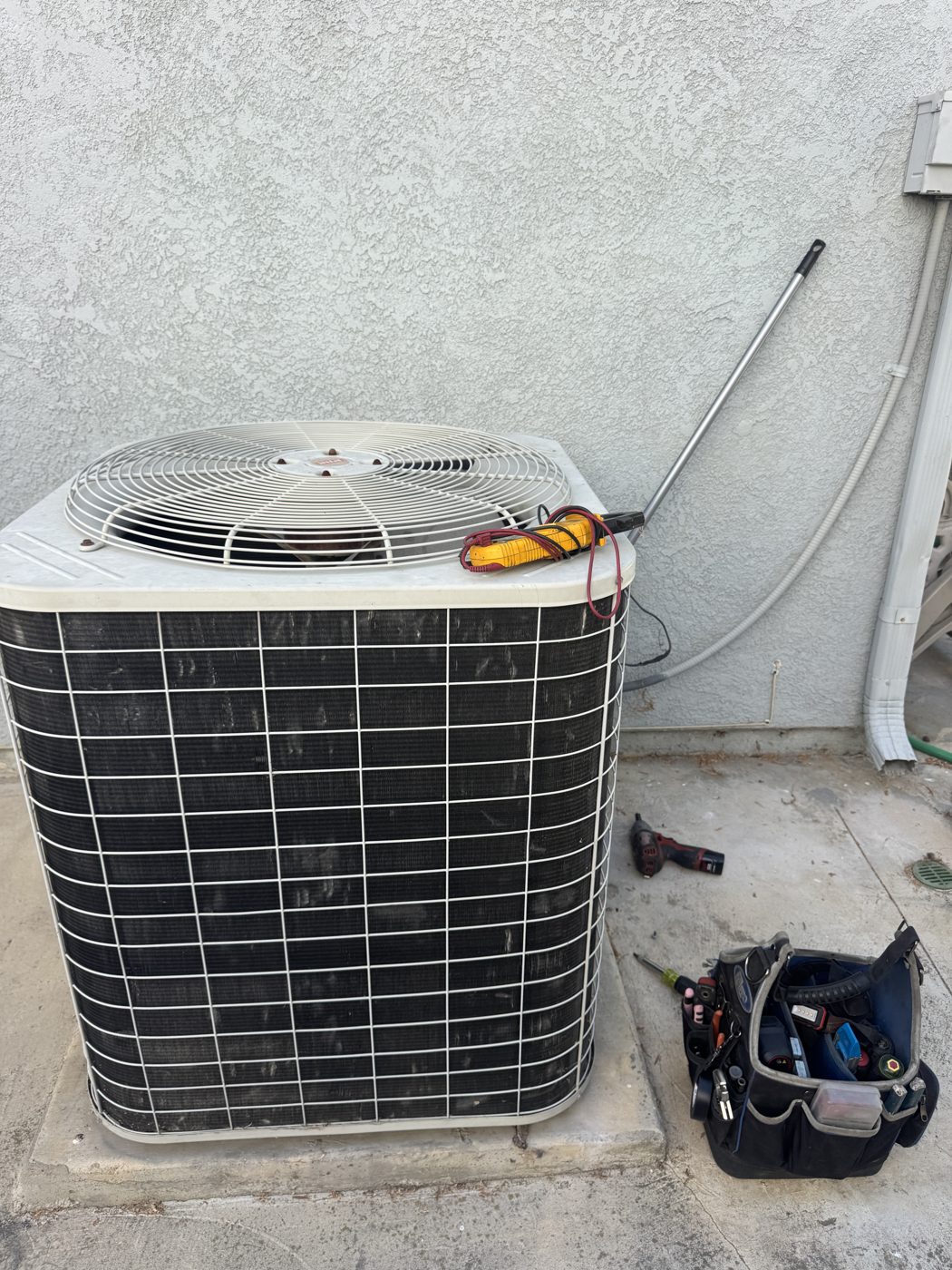
AC installation in Chino often becomes necessary when older systems struggle against the region's intense summer heat and fine dust. Homeowners here face hot dry summers, occasional Santa Ana winds that stir up debris, and higher electric bills from constant cooling demands. This guide walks through the real considerations for replacement without pressure or fluff.
Signs It Is Time for Replacement
Most central AC units in Chino homes last 10 to 15 years before efficiency drops sharply. Watch for frequent breakdowns during peak heat, uneven cooling across rooms, or rising utility costs that do not match usage. Older housing stock common in Chino and nearby Ontario often has outdated ductwork or undersized systems that cannot keep up once temperatures climb past 95 degrees. If repairs exceed half the cost of a new unit, replacement usually makes better long-term sense.
How Local Climate Affects Your System
Chino sits near desert-adjacent areas where low humidity and blowing dust clog coils and filters faster than in coastal zones. Santa Ana winds carry extra particles that reduce airflow and strain the compressor. Homes in Pomona and Rancho Cucamonga experience similar conditions, leading many residents to schedule professional cleanings twice a year. These factors shorten equipment life compared to milder climates, so choosing a system with strong filtration and proper sizing matters more here.
Steps in a Typical AC Installation
A licensed contractor first performs a load calculation on your home to determine the correct capacity rather than guessing based on square footage alone. Next comes removal of the old unit, inspection of existing ducts, and placement of the new outdoor condenser on a level pad. Indoor evaporator coils are matched to the outdoor unit for efficiency, followed by refrigerant charging and thermostat setup. Final testing checks for leaks and proper airflow before the system is turned over to you.
DIY Tasks Versus Calling a Pro
Homeowners can safely replace air filters monthly and clear debris from around the outdoor unit to maintain performance. Simple thermostat programming or basic vent cleaning also falls within DIY range. However, handling refrigerant, modifying electrical connections, or altering ductwork requires EPA certification and permits that most residents lack. Attempting these steps risks voiding warranties or creating safety hazards, so AC installation in Chino is best left to licensed technicians familiar with local codes.
Improving Efficiency After Installation
Once the new system is running, sealing obvious duct leaks in attics and adding attic insulation helps counter the heat that builds up under Santa Ana conditions. Programmable thermostats set a few degrees higher during the day can noticeably lower summer bills. Regular filter changes every 30 days during heavy use remain the simplest ongoing step for Chino residents. These habits extend equipment life without requiring constant professional visits.
Choosing the Right Contractor
Verify licensing, insurance, and recent local references before scheduling work. Ask about equipment brands suited to dusty environments and whether they perform Manual J load calculations. A reputable company will explain options clearly and provide written estimates that break down equipment, labor, and any needed electrical upgrades. This approach helps avoid surprises on projects in Chino and surrounding communities.